


News

Press Release from Taoyuan District Agricultural Research and Extension Station, Ministry of Agriculture
Development of Blast-Resistant Rice Cultivar “Taoyuan No. 7” Using Molecular Marker-Assisted Breeding
December 18, 2024
To improve the poor blast resistance of the premium aromatic rice cultivar “Taoyuan No. 3,” Taoyuan District Agricultural Research and Extension Station, Ministry of Agriculture’ (hereinafter Taoyuan DARES) has successfully developed a new rice cultivar, “Taoyuan No. 7,”using molecular marker-assisted selection for the blast resistance gene Pita-2. Over eight years of trials, this new cultivar was cultivated to retain the advantages of its parent, Taoyuan No. 3, including large grains, soft and chewy cooked rice, and a distinct taro aroma. Moreover, Taoyuan No. 7 demonstrates resistance to both leaf and panicle blast.
Taoyuan DARES pointed out that rice is Taiwan’s largest cultivated crop, with the first crop season being the primary growing period. However, during May to June, heavy rains and subsequent high-temperature and high-humidity conditions create an environment conducive to blast outbreaks, which can significantly reduce yield and degrade quality. In response, Taoyuan DARES spent eight years developing Taoyuan No. 7. By employing molecular marker technology to precisely trace the blast resistance gene in hybrid progeny, the breeding timeline was shortened.
To evaluate the performance of Taoyuan No. 7 under large-scale cultivation, trials were conducted in the first crop season of 2024 in multiple locations across Taoyuan City and Hsinchu County. Under cultivation practices that excluded blast-related pesticides, Taoyuan No. 7 displayed excellent resistance to rice blast. This reduced pesticide costs by approximately NT$5,000 to 10,000 per hectare while maintaining stable yields, making it highly recommended for farmers.
Taoyuan DARES further explained that in the first crop season of 2024, field trials for Taoyuan No. 7 were conducted across 15 sites, including 9 fields in Taoyuan City (Bade, Taoyuan, Longtan, Daxi, Pingzhen, Xinwu districts, and others) and 6 fields in Hsinchu County (Beipu, Emei, Zhudong, Hukou townships, and others). Farmers followed conventional cultivation practices for the growth period but were instructed not to use any blast-related pesticides or disinfectant seed treatments like " Prophet Rice®." During the trials, researchers visited the fields to monitor the incidence of leaf and panicle blast and conducted plot-based harvesting to estimate yield. The results showed that fields using conventional cultivation methods (8 fields in Taoyuan City and 3 in Hsinchu County) achieved estimated yields of 5,334–7,617 kg per hectare. In fields undergoing organic certification or transitioning to organic practices (1 field in Taoyuan City and 3 in Hsinchu County), the estimated yields ranged from 4,368–6,218 kg per hectare. In particular, trials in Taoyuan, Daxi, and Pingzhen districts demonstrated that Taoyuan No. 7 outperformed the control cultivar, Taoyuan No. 3, with a 15% higher yield.
Taoyuan DARES emphasized that Taoyuan No. 7, developed using molecular breeding technology, combines excellent blast resistance with stable yields while maintaining the premium rice qualities of Taoyuan No. 3. Farmers are encouraged to adopt this new cultivar for sustainable cultivation, providing consumers with a reliable and high-quality rice option.
Contact Information
Spokesperson: Deputy Director Yang-Jen Fu Tel: 03-4768216 ext. 101 Mobile: 0919-872010
Contact Person: Associate Researcher Jen-You Chien Tel: 03-4768216 ext. 251
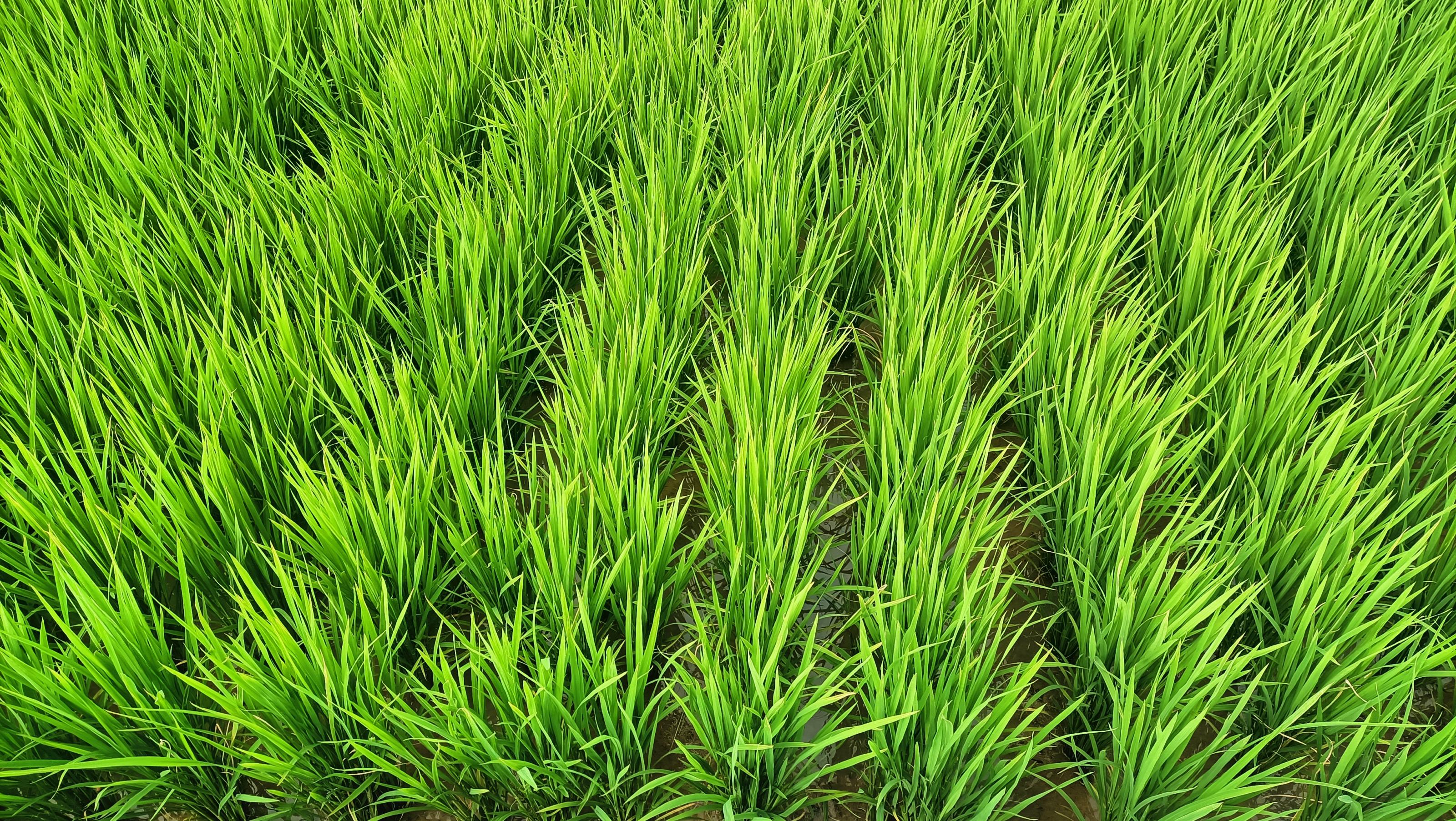
Figure 1. Growth status during the tillering stage of the new rice cultivar 'Taoyuan No. 7'
under organic cultivation in Xinwu District, Taoyuan City.
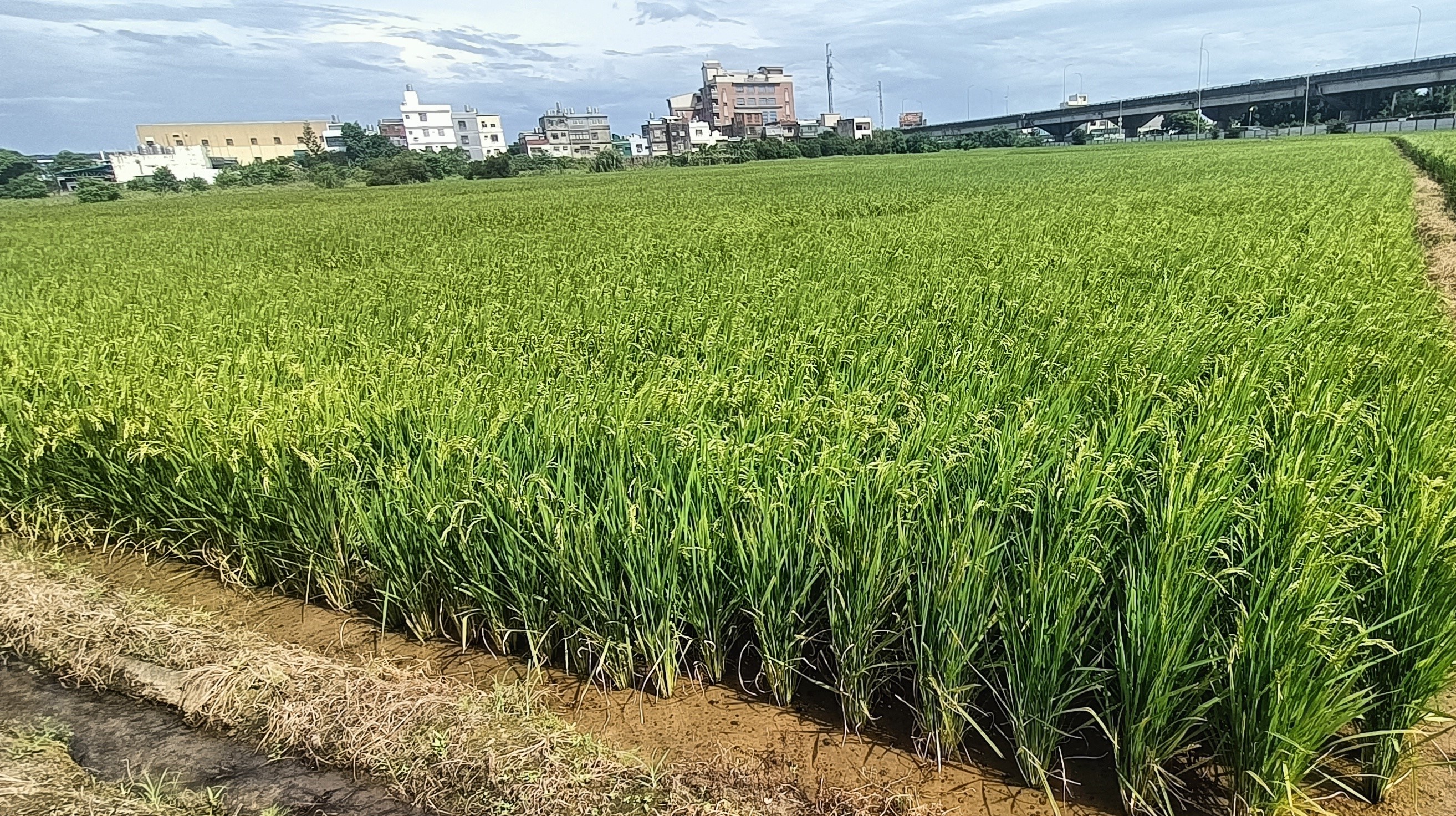
Figure 2. Growth status during the ripening stage of the new rice cultivar 'Taoyuan No. 7'
under conventional cultivation in Pingzhen District, Taoyuan City.
%E8%88%87%E6%96%B0%E5%93%81%E7%A8%AE%E6%A1%83%E5%9C%927%E8%99%9F(%E5%8F%B3)%E7%94%9F%E8%82%B2%E4%B8%AD%E6%9C%9F%E6%83%85%E5%BD%A2.jpg)
Figure 3. Mid-growth stage comparison between the rice variety 'Taoyuan No. 3' (left)
and the new cultivar 'Taoyuan No. 7' (right) under conventional cultivation in Daxi District, Taoyuan City.
