



Press Release from Taoyuan District Agricultural Research and Extension Station, Ministry of Agriculture
Innovative Cultivation Technology for Emerging Vegetable Baby Leaf Lettuce
November 26, 2024
Vegetables are a vital source of daily nutrition. In an era that values quick, light, and healthy meals, Taoyuan District Agricultural Research and Extension Station, Ministry of Agriculture’s (hereinafter Taoyuan DARES) has successfully developed innovative cultivation technology for baby leaf lettuce. This technology not only boosts yield but also enhances antioxidant content, meeting consumer demand and sparking a new trend for “baby leaf” consumption.
Taoyuan DARES explained that by applying light-quality treatments to arugula and lettuce, using a carefully calibrated ratio of red and blue light, baby leaf vegetables showed significant improvements in both size and nutritional content. For arugula baby leaves, the research demonstrated a 34.7% increase in leaf area and a 17.3% rise in total phenolic compounds, which are known for their antioxidant properties. Similarly, lettuce baby leaves exhibited comparable results, with a 76% increase in vitamin C content under the same light treatment conditions.
Taoyuan DARES pointed out that, due to its palatability and nutritional value, baby leaf lettuce is commonly cultivated using soil-based methods and harvested during the seedling stage. However, current yield levels remain low, averaging only about 250 grams per square meter. To address these challenges, Taoyuan DARES developed a soilless medium cultivation system in a plant factory environment. By using specific red-blue light ratios, they increased the leaf area of arugula baby leaves from 164.33 cm² to 221.33 cm², and the total phenolic content from 5.2 mg/g・DW to 6.1 mg/g・DW. For lettuce baby leaves, a similar trend was observed, with a significant rise in vitamin C content. This innovation not only enhances yield but also elevates the health value of baby leaf vegetables.
Taoyuan DARES emphasized that the use of artificial light sources with varying light qualities effectively increases both yield and antioxidant content in baby leaf vegetables. This achievement benefits farmers by improving profitability while safeguarding consumer health and dietary safety. The research outcomes not only provide healthier options for consumers but also open new directions for agricultural production. Taoyuan DARES will continue to refine this technology and explore its applications in other value-added areas.
Contact Information
Spokesperson: Deputy Director Yang-Jen Fu Tel: 03-4768216 ext. 101 Mobile: 0919-872010
Contact Person: Assistant Researcher Chia-Wen Chen Tel: 03-4768216 ext. 240

Figure 1. Baby leaf lettuce features a tender texture and is one of the emerging vegetable varieties.
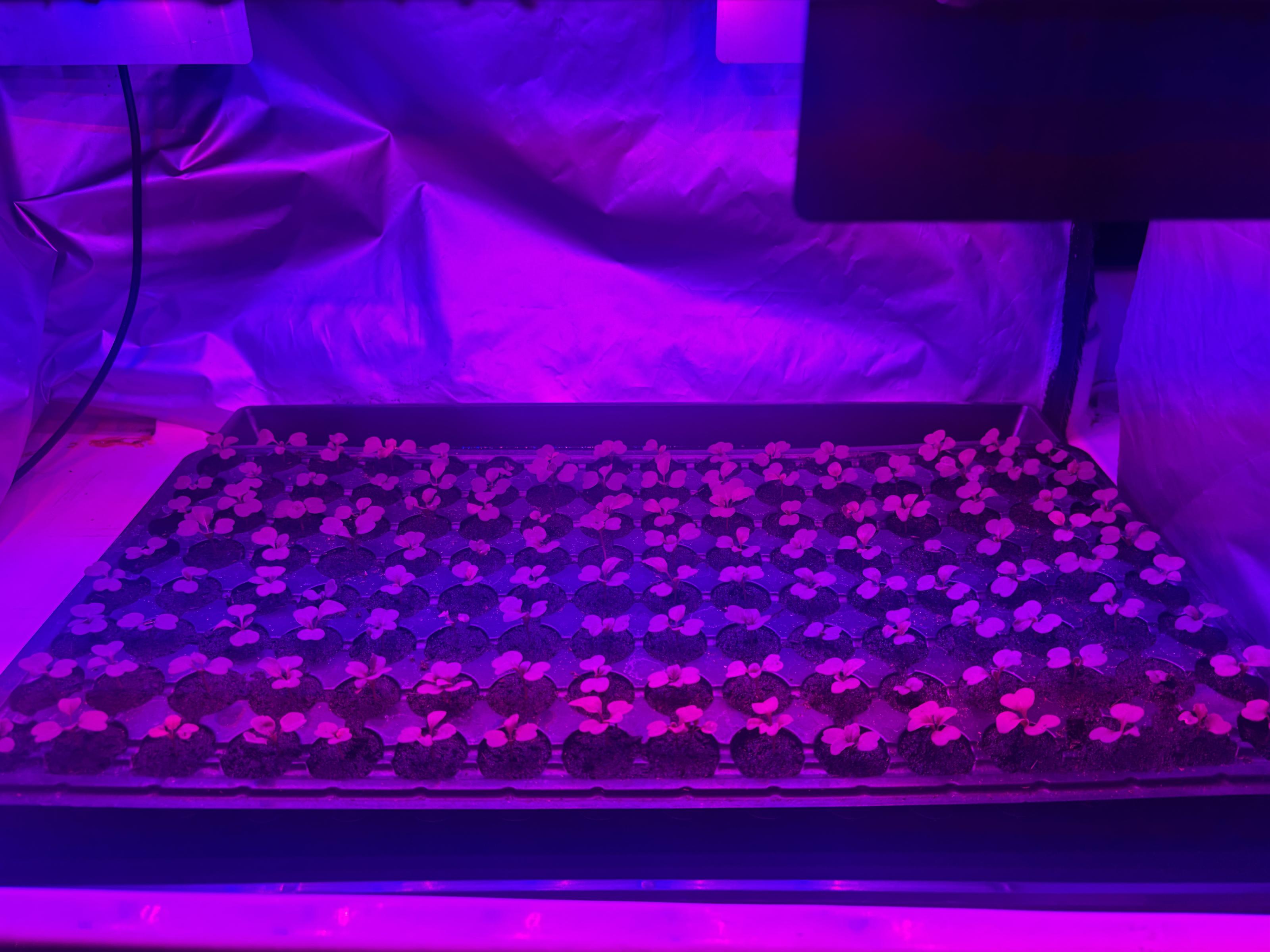
Figure 2. Arugula exposed to a specific red-blue light ratio demonstrates improved biomass and higher total phenolic compound content.

Figure 3. Lettuce exposed to a specific red-blue light ratio shows enhanced biomass and increased vitamin C content.
